

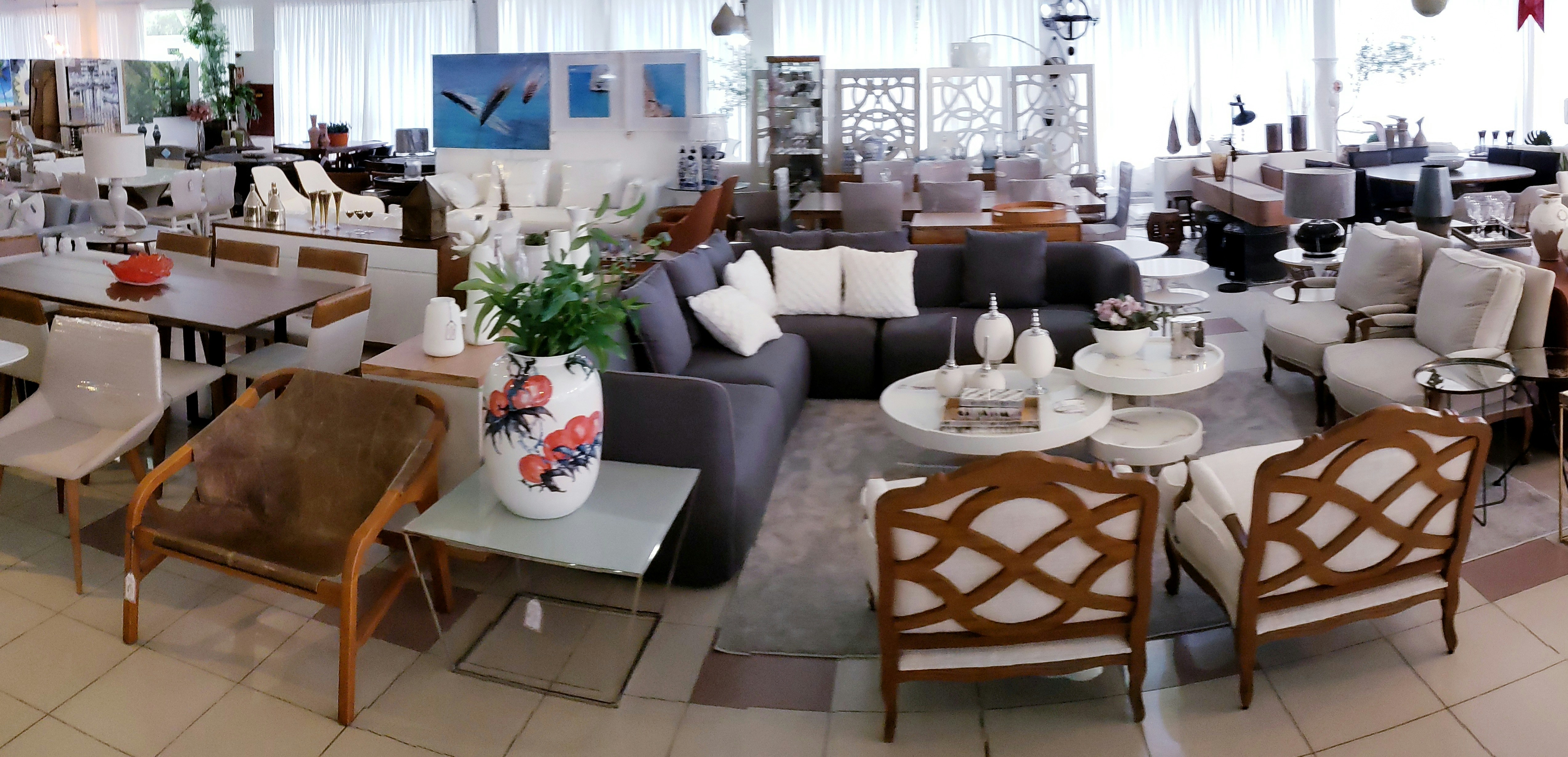
Introduction to Furniture Shopping
Furniture shopping is an integral part of creating a welcoming and functional home environment. The way an individual’s living space is furnished can significantly impact the overall aesthetic and feel of the home. Thus, understanding how to navigate the furniture buying process is essential for anyone looking to enhance their home decor and express their personal style.
Finding the right furniture shop plays a crucial role in this process, as it can determine the quality, variety, and service available to the buyer. A reputable furniture store typically offers a wide range of options, from contemporary to traditional styles, ensuring that customers can find pieces that perfectly align with their vision. Quality is another important factor; well-constructed furniture can provide long-lasting comfort and durability, making it worthwhile to invest time in locating the best shop.
In addition to quality and variety, exceptional customer service is paramount in furniture shopping. A knowledgeable staff can assist clients in making informed decisions, while also providing advice on care, maintenance, and compatibility of different items. Furthermore, a store that prioritizes customer satisfaction fosters a positive shopping experience, which can significantly reduce the stress often associated with furnishing a home.
Engaging with the right furniture outlet can lead to a transformative home experience. As consumers begin their search for the ideal shop, it is essential to consider factors such as product offerings, service quality, and overall reputation. This guide aims to provide valuable insights for readers looking to immerse themselves in the furniture shopping journey and make wise choices to enrich their living spaces.
Types of Furniture Shops
When searching for the best furniture shop, it is essential to familiarize oneself with the various types available in today’s market. Each category of furniture shop comes with its own set of offerings and advantages, catering to different consumer needs and preferences.
The first category includes online furniture shops. These retailers have gained immense popularity owing to their convenience. Customers can browse a multitude of styles and options right from their homes, often benefiting from competitive pricing and easy comparison features. Additionally, many online platforms offer detailed descriptions and customer reviews, aiding in informed purchasing decisions. However, buyers may face challenges regarding the physical examination of products before purchase, which can sometimes lead to dissatisfaction.
In contrast, brick-and-mortar stores provide a tangible experience, allowing customers to see and feel the furniture before making a commitment. These stores often showcase a curated selection of items, providing personalized customer service. However, they might have a more limited inventory compared to online retailers and generally higher prices due to overhead costs.
Another type to consider is the IKEA-style store, characterized by a vast warehouse-like setting where customers can explore entire room setups. These stores offer an extensive range of affordable and trendy furniture options that appeal to various tastes and budgets. The do-it-yourself (DIY) assembly aspect also makes them a favored choice for budget-conscious shoppers.
On the other hand, local artisan shops present unique, handcrafted pieces, often emphasizing quality and originality. Shopping from these stores not only supports local craftsmanship but also provides access to distinctive items that may not be found elsewhere.
Lastly, upscale boutiques offer high-end furniture and décor items, frequently showcasing designer pieces. These establishments tend to focus on exclusivity and personalized service, thus attracting consumers willing to invest in luxury products. Overall, understanding the different types of furniture shops available can greatly aid in finding the best fit for individual needs and styles.
What to Look for in a Furniture Shop
When selecting a furniture shop, several key factors should guide your decision-making process. One of the primary considerations is the quality of the products offered. It is essential to assess the craftsmanship and materials used in furniture. Durable materials such as hardwood, metal, and high-quality upholstery often indicate a long lifespan, ensuring that your investment is worthwhile. Inspecting furniture samples in-store can provide insight into the construction and overall sturdiness.
Another significant aspect is the variety of selections available in the store. A furniture shop that offers a broad range of styles, colors, and types of furniture allows customers to find pieces that suit not only their aesthetic preferences but also their functional needs. This diversity can also accommodate different budgets, catering to both high-end and more affordable options.
Price ranges should be transparent and reasonable. When visiting a furniture shop, take the time to compare prices on similar products across different retailers. This diligence helps in identifying competitive pricing and allows you to make informed choices. It is also important to inquire about any ongoing promotions or discounts that may be available, as these can significantly affect your total expenditure.
Additionally, understanding the store’s return policies is crucial. A shop with a customer-friendly return policy can provide peace of mind, especially if you are uncertain about the fit or look of a piece in your home. Policies should clearly outline time frames and conditions for returns or exchanges.
Lastly, customer service plays a pivotal role in the shopping experience. Staff members should be knowledgeable, approachable, and eager to assist. Good customer service can enhance your overall experience, ensuring that any queries or concerns are addressed efficiently. Thus, when evaluating a furniture shop, a combination of these factors will lead to a satisfactory purchasing decision.
Top Furniture Shops to Consider
When looking for the best furniture shop, it is essential to explore a variety of options that cater to different preferences and needs. In this section, we will examine renowned furniture shops categorized into local favorites, online giants, and specialty retailers, highlighting their unique offerings.
Local Favorites: One prominent local option is ABC Furniture, known for its extensive range of handcrafted pieces that reflect regional artistry. ABC Furniture prioritizes sustainable sourcing and provides a personalized shopping experience where customers can collaborate with designers to create bespoke furnishings. This shop especially appeals to individuals seeking unique, high-quality products that represent local craftsmanship.
Online Giants: For shoppers who prefer the convenience of online purchasing, Wayfair stands out as a top furniture retailer. With a vast selection of furniture spanning various styles and price points, Wayfair provides detailed product descriptions and customer reviews, making it easier to make informed decisions while shopping from home. This platform is particularly suitable for budget-conscious consumers and those who enjoy browsing a wide array of products at their fingertips.
Specialty Retailers: If you are targeting specific styles, West Elm is a specialty retailer that focuses on modern and mid-century designs. Offering a curated collection of furniture and home décor, West Elm is committed to sustainable practices and collaborates with artisans from around the globe. Their commitment to style and sustainability attracts design-savvy customers who prioritize aesthetics while being environmentally conscious.
Each of these furniture shops brings something unique to the table, whether it is local craftsmanship, extensive online offerings, or a focus on modern design. By understanding the specific strengths of each, customers can better navigate their furniture shopping journey and find the perfect pieces for their homes.
Budgeting for Furniture Shopping
Setting a budget for furniture shopping is a crucial step as it dictates not only what you can afford but also what you need. Begin by assessing your financial capacity to determine a realistic budget. This entails reviewing your monthly income, savings, and any other financial commitments you may have. By calculating how much you can allocate toward furniture shopping, you can ensure that your expenses remain within a reasonable limit.
Once you have a budget in mind, it is important to prioritize your purchases. Identify which items are essential and which can wait. For instance, if you are moving into a new home, a bed and dining table may take precedence over decorative items. Creating a list of furniture necessities allows you to focus your spending on what truly matters, preventing impulse purchases that could derail your budget.
Another strategy for effective budgeting is to consider timing your purchases around sales events. Major retailers often hold clearance sales, holiday promotions, and special discounts throughout the year, providing opportunities to buy quality furniture at reduced prices. By adopting a patient approach, you can take advantage of these sales rather than acquiring furniture at full price, ultimately stretching your budget further.
In addition, exploring financing options might be beneficial if you find that your desired furniture exceeds your budget. Many stores offer installment payment plans which can ease the burden of upfront costs. However, it is essential to carefully evaluate any financing terms to avoid hidden fees and ensure that you remain within your financial capabilities.
By thoughtfully assessing your finances, prioritizing necessities, and timing your purchases, you can create an effective budget for furniture shopping that aligns with your needs and fiscal responsibilities.
Sustainability in Furniture Shopping
The importance of sustainability in furniture shopping cannot be overstated, as consumers are becoming increasingly aware of the environmental impact of their purchasing decisions. Sustainable furniture shopping prioritizes the use of ethically sourced materials, eco-friendly production methods, and responsible manufacturing practices. By choosing furniture that adheres to these principles, individuals contribute to reducing carbon footprints and promoting a healthier planet.
One of the primary aspects of sustainable furniture is ethical sourcing. This refers to the practice of obtaining materials from suppliers that use sustainable harvesting methods, ensuring minimal harm to ecosystems. For instance, wood sourced from well-managed forests diminishes the threat of deforestation and helps maintain biodiversity. Additionally, artisans and manufacturers who prioritize fair labor practices are equally important in the sustainability equation. Supporting these businesses not only promotes eco-friendly furniture but also fosters economic stability within communities.
Furthermore, the use of eco-friendly materials plays a central role in sustainability. When shopping for furniture, consumers can look for items made from recycled, reclaimed, or sustainably harvested materials. Manufacturers utilizing non-toxic finishes and adhesives can significantly reduce indoor air pollution, enhancing overall health and wellness within living spaces. This also aligns with a growing preference for natural and organic materials, such as bamboo and cork, which are known for their low environmental impact.
To find sustainable furniture shops, consumers should start by researching local businesses that prioritize environmentally friendly practices. Reading reviews, asking for certifications, and inquiring about a shop’s sustainability policies can provide valuable insights. Additionally, opting for brands that clearly communicate their efforts in eco-friendliness can simplify the decision-making process and make shopping for sustainable furniture an enriching experience.
Stylish Furniture Trends
In recent years, furniture design has seen a significant evolution, incorporating styles, colors, and materials that align with modern aesthetics and functionality. One of the most notable trends is the resurgence of mid-century modern furniture. Characterized by clean lines, organic shapes, and a focus on functionality, this style effortlessly bridges the gap between vintage charm and contemporary sophistication.
Color palettes in furniture design have shifted towards softer and more muted tones. Shades like sage green, soft lilac, and warm terracotta are gaining popularity, offering a refreshing alternative to more traditional hues. These colors are often used to create a calming and inviting atmosphere, inviting consumers to explore shops that offer such visually appealing selections.
Additionally, the use of sustainable materials has become increasingly important to consumers. Furniture constructed from reclaimed wood, bamboo, or recycled materials not only contributes to environmental preservation but also adds a unique character to each piece. This trend reflects a growing awareness among shoppers, as they seek to find shops that emphasize eco-friendly practices and materials in their offerings.
Another emerging trend is the blend of functionality and aesthetics, particularly in multi-functional furniture. With the rise of smaller living spaces, consumers are looking for pieces that serve multiple purposes, such as sofa beds, storage ottomans, and extendable dining tables. These items not only save space but also cater to the practical needs of modern living.
In summary, current trends in furniture reflect a blend of style, sustainability, and functionality. By incorporating these styles, colors, and materials into their spaces, consumers can elevate their home environments while shopping at stores that align with the latest trends. This pursuit not only enhances their aesthetic but also demonstrates a commitment to responsible consumerism.
Tips for Shopping Smart
When it comes to shopping for furniture, making informed decisions is crucial to ensure you select pieces that not only look good but also fit your living space and meet your needs. Here are some practical tips to help you shop smart.
First and foremost, measuring your spaces is essential. Before you set foot in a furniture shop, take accurate measurements of the areas where you plan to place new furniture. This helps to avoid the disappointment of purchasing an item that simply does not fit. Consider the height, width, and depth of the area to ensure the furniture can be accommodated without making the space feel cramped.
Additionally, visualizing furniture layouts in your home can significantly enhance your shopping experience. Create a floor plan, either on paper or through an online tool, to experiment with different configurations. This exercise can assist you in understanding how various pieces will work together in a room and can guide you in selecting styles and dimensions that merge seamlessly with your existing decor.
Utilizing online reviews also plays a key role in making smart purchases. Before visiting a furniture shop, look up reviews of the brands and specific products you are considering. This feedback can provide insight into the quality and durability of items, as well as customer service experiences. Pay attention to recurring themes in the reviews, which can help you weed out options that may not meet your expectations.
Lastly, take advantage of sales and discounts. Many furniture retailers offer seasonal sales, clearance events, or online promotions. Signing up for newsletters can keep you informed about upcoming discounts. By timing your purchases strategically, you can save considerably, allowing you to invest in higher quality furniture that might otherwise stretch your budget.
Conclusion and Recommendations
Finding the best furniture shop is a critical step in ensuring that your home reflects your personal style and meets your functional needs. Throughout this guide, we have examined various factors to consider when selecting a furniture retailer, including quality, pricing, variety, and customer service. Each of these components plays a pivotal role in making an informed decision.
It is crucial to take your time during this process. Begin by conducting thorough research on local furniture shops and online retailers. Explore customer reviews and ratings, as well as their return policies, which can significantly impact your buying experience. Pay attention to the materials used in their furniture, as quality significantly affects durability and longevity.
When visiting physical shops, take note of the store atmosphere and the level of assistance provided by staff members. A well-organized showroom can provide inspiration, while attentive service can facilitate your decision-making process. Additionally, do not hesitate to ask about available delivery options and warranty coverage, as these factors can affect your overall satisfaction.
For those who prefer shopping online, ensure that the website is user-friendly and features detailed product descriptions and images. Verify the legitimacy and reputation of the online retailer to avoid potential pitfalls associated with online purchases.
In conclusion, the search for the best furniture shop does not have to be overwhelming. By focusing on key factors such as quality, customer experience, and thorough research, you can find a furniture store that aligns with your style and needs. Keep these recommendations in mind as you embark on your journey to furnish your home satisfactorily.